

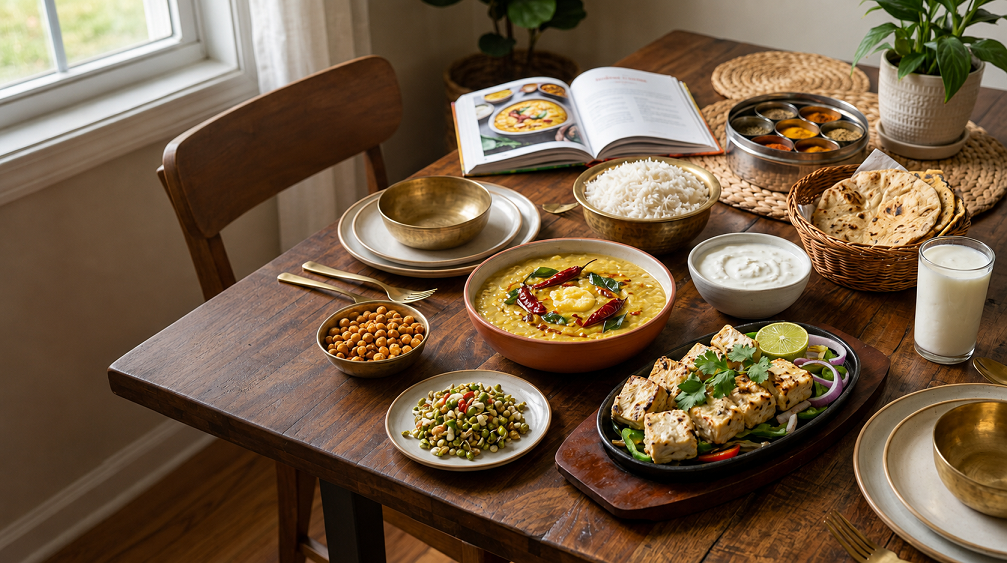
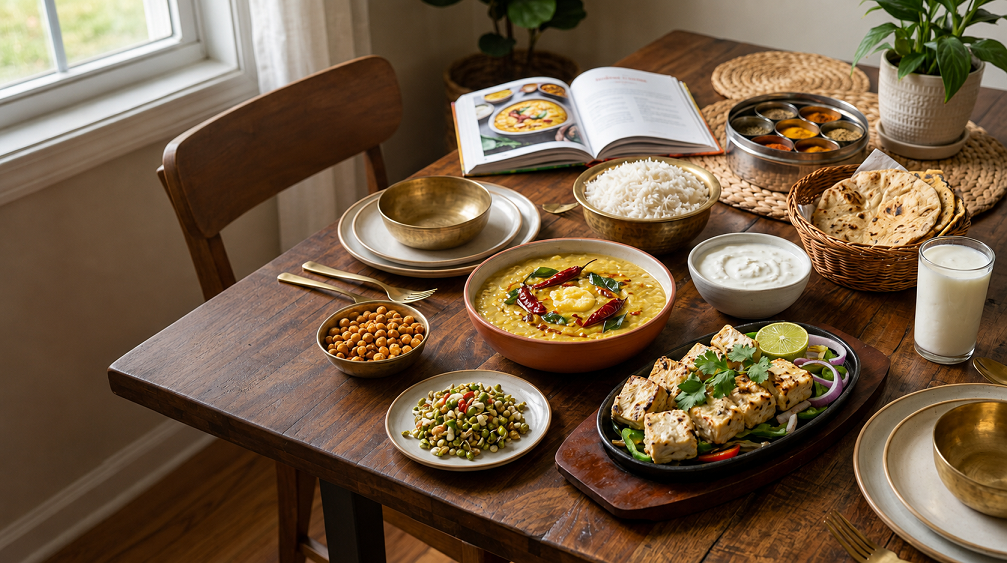
Many people think that if you are vegetarian, it is hard to get enough protein. You might hear people say that vegetarians only eat carbohydrates like rice and bread. But that is not true at all!
Indian cuisine has a huge variety of rich, tasty, and healthy vegetarian options. Among all the choices, two classic foods stand out as the true heroes of a healthy Indian diet: Paneer and Dal.
In this complete guide, we will look at why paneer and dal should be your go-to protein sources, how to balance your daily meals, and where you can easily get fresh, authentic ingredients right here in Jersey City.
Why Is Protein So Important for Your Body?
Before we talk about specific foods, let us understand what protein actually does. Think of your body as a house. If your body is a house, protein is the brick that builds and repairs every single wall.
Every cell in your body needs protein to work properly. Here is why you need enough protein every single day:
-
Muscle Growth and Repair: Protein helps rebuild your muscles after exercise or a long day of physical activity.
-
Keeps You Full Longer: Eating enough protein stops unnecessary hunger pangs and prevents late-night junk food cravings.
-
Boosts Immunity: Antibodies that fight off sickness are made from protein.
-
Healthy Hair, Skin, and Nails: Protein supplies the building blocks for strong hair and glowing skin.
Why Paneer Is a Vegetarian Powerhouse
Paneer, also known as Indian cottage cheese, is a favorite in almost every Indian household. It is soft, delicious, and extremely versatile. But beyond its taste, paneer is packed with high-quality nutrients.
1. Rich in High-Quality Complete Protein
Paneer is made from milk. Because it comes from an animal source, it contains all the essential amino acids your body cannot make on its own. A 100-gram serving of paneer gives you around 18 to 20 grams of pure protein.
2. Loaded with Calcium for Strong Bones
Along with protein, paneer is packed with calcium and phosphorus. This makes it amazing for keeping your bones and teeth strong.
3. Keeps You Energized
Paneer contains healthy fats that digest slowly. This slow digestion gives you steady, long-lasting energy throughout the day rather than a quick sugar spike and crash.
How to Enjoy Paneer in Everyday Meals
You do not have to wait for a special restaurant dinner to enjoy paneer. You can easily make healthy paneer dishes at home:
-
Grilled Paneer Tikka: Marinate paneer cubes in spices and yogurt, then grill or pan-sear them for a light snack.
-
Classic Shahi Paneer: Cook soft paneer in a rich gravy using aromatic spices like MDH Shahi Paneer Masala and fresh vegetables like Red Onions, Plum Tomatoes, Ginger, and Garlic.
-
Paneer Stir-Fry: Toss paneer with fresh Green Bell Peppers and Green Chillies for a quick weeknight dinner.
For the softest texture, grab fresh, high-quality Nanak Malai Paneer.
Why Dal Is the Heart of Every Indian Meal
If paneer is the king of vegetarian protein, Dal (Lentils) is the queen. Almost every regional Indian culture has its own version of dal. Whether it is Moong Dal, Toor Dal, Chana Dal, or Urad Dal, lentils are the comfort food that powers millions of homes daily.
1. High Plant-Based Protein and Fiber
One cooked bowl of dal provides about 7 to 9 grams of protein. Even better, dal is filled with dietary fiber. Fiber keeps your digestive system healthy, improves gut health, and keeps blood sugar levels stable.
2. Low in Fat and Weight-Loss Friendly
If you are watching your calories, dal is your best friend. It is naturally low in fat and cholesterol, making it heart-friendly and perfect for maintaining a healthy body weight.
3. Packed with Essential Minerals
Lentils are rich in folate, iron, magnesium, and potassium. Iron is vital for transporting oxygen in your blood and beating daily fatigue.
The Magic Combination: Dal + Rice or Roti
Have you ever wondered why Indians always eat dal with rice or rotis? There is actual science behind it!
Lentils lack one essential amino acid called methionine, but food grains like rice and wheat have plenty of it. On the flip side, grains lack lysine, which lentils have in abundance. When you combine Laxmi Moong Dal with Laxmi Extra Long Basmati Rice or warm Phulka Fresh Roti, you create a complete protein meal!
Simple High-Protein Indian Meal Plan for Busy Days
Eating healthy does not mean spending hours in the kitchen every morning and night. Here is a realistic, high-protein daily meal routine you can follow easily:
|
Meal Time |
What to Eat |
Protein Benefits |
|
Breakfast |
Sprouts Chaat made with sprouted whole moong, fresh coriander, and lemon juice. Or a pair of whole-grain Haldiram Minute Khana Thepla with a bowl of yogurt. |
Gives a light, energy-boosting start to your day with clean plant protein. |
|
Mid-Morning Snack |
A small handful of Laxmi Almonds or JFK Grocery Walnuts along with a fresh piece of seasonal fruit from our Fresh Fruit Selection. |
Provides healthy brain fats and keeps hunger away until lunch. |
|
Lunch |
A bowl of rich Moong Dal, a side of green leafy vegetables from our Fresh Vegetables Collection, paired with Laxmi Basmati Rice and a side of cooling Gopi 2% Yogurt. |
Balanced protein, carbohydrates, and gut-friendly probiotics. |
|
Evening Snack |
A bowl of Laxmi Roasted Chana or Deep Spanish Peanuts paired with hot chai made using Amul Gold Milk. |
Crunch snack packed with fiber and plant-based protein instead of fried chips. |
|
Dinner |
Paneer Sabzi made with Nanak Malai Paneer served with traditional high-fiber Vadilal Bajro Rotla. |
Satisfying, easy to digest, and repairs muscles overnight. |
Other Great Indian High-Protein Options to Mix It Up
While paneer and dal should be your main everyday staples, variety is the secret to staying consistent with a healthy diet. Here are other great vegetarian options to include in your weekly rotation:
1. Dahi (Yogurt / Curd)
Yogurt is rich in calcium and natural probiotics that aid digestion. Eating a bowl of Gopi 2% Yogurt with your meals boosts overall protein while keeping your stomach cool and happy.
2. Fermented South Indian Staples
South Indian classics like Idlis and Dosas are made from fermented lentils and rice. Fermentation makes nutrients easier for your body to absorb.
-
You can prepare quick, healthy breakfasts using Vijay Dosa Batter or instant mixes like Gits Dosa Mix and Gits Uttapam.
-
Pair them with a warm, comforting soup made with MTR Madras Rasam Powder for an easy, light meal.
3. Quick & Healthy Ready Meals
When work keeps you late and you do not have time to cook from scratch, avoid ordering heavy fast food. Keep healthy options in your pantry like Vadilal Shahi Khichdi or steamed Gits Khatta Dhokla for a quick, high-protein bite.
Smart Snacking: How to Cut Junk and Choose Better
We all love snacks with our evening tea or while watching television. However, processed snacks like deep-fried wafers, sugary sodas, and heavy sweets can derail your fitness goals.
Instead of reaching for unhealthy options, make simple swaps:
-
Swap fried snacks for roasted ones: Instead of fried deep snacks, try high-protein Laxmi Roasted Chana or a handful of roasted nuts.
-
Swap sugary beverages: Replace sugary sodas with fresh homemade buttermilk made from yogurt or warm spiced milk using Lactaid 100 Reduced Fat Milk.
-
Enjoy sweets in moderation: Reserve rich traditional mithai from our Sweets Collection for special family celebrations and weekend treats.
Where to Buy Fresh Indian Groceries in Jersey City
Getting authentic, high-quality Indian ingredients in New Jersey should never be a struggle. At JFK Grocery, we make sure your kitchen is always stocked with the freshest vegetables, rich paneer, top-grade lentils, and daily essentials.
Whether you prefer to visit us in person or shop online from the comfort of your home, we have got you covered!
-
Store Address: 3294 JFK Blvd, Jersey City, NJ 07307
-
Phone Number: 201-456-5474
-
Instagram Page: Stay updated with our latest offers on Instagram
Conclusion
Building a high-protein vegetarian diet does not mean eating boring, bland food or buying expensive imported supplements. By making Paneer and Dal the centerpiece of your daily meals, you give your body all the protein, fiber, and vital nutrients it needs to thrive.
Combine these rich protein bases with fresh vegetables, wholesome grains like basmati rice and rotis, nuts, and yogurt. You will enjoy delicious, traditional Indian meals every day while keeping your energy high and your body strong.
Ready to cook a healthy meal today? Stop by JFK Grocery in Jersey City or browse our website to order your fresh groceries now!
Frequently Asked Questions (FAQs)
1. How much protein does a normal adult need per day?
An average adult needs about 0.8 to 1.0 gram of protein per kilogram of body weight each day. If you exercise regularly or lift weights, your body may require more.
2. Can I eat paneer every day?
Yes! Paneer is a great source of complete protein. Just pay attention to your portion sizes (around 75g–100g per day) to manage your overall calories and fat intake.
3. Which dal has the highest amount of protein?
Moong dal, Chana dal, and Urad dal are among the highest in protein. Eating a mixture of different lentils throughout the week ensures you get a wide variety of vitamins and nutrients.
4. Is dal alone enough for my daily protein needs?
Dal is high in protein, but combining it with rice or rotis forms a complete protein containing all essential amino acids. Pairing dal with paneer or yogurt creates a perfectly balanced vegetarian diet.
5. Where can I buy fresh paneer and Indian pulses in Jersey City?
You can find fresh paneer, top-grade lentils, whole spices, and fresh produce at JFK Grocery, located at 3294 JFK Blvd, Jersey City, NJ 07307.